Kathleen Rooney
Kathleen Rooney
Facilitation Speaking and Author
Facilitation Speaking and Author
I live and work in Tiohtià:ke/Montréal, on the unceded lands and waters of the Kanien’kehá:ka (Mohawk) Nation.
Learning asks something of us.
About
Copyright © 2015 - 2026 Kathleen Rooney
Kathleen
Why I Do This Work
I didn’t come to the study of trauma only through books, classrooms or professional training. I came to it through life.
I grew up in a home where anger, violence and unpredictability were part of everyday life. I was a sensitive child — a crier, an observer, and someone who learned very early to pay attention to what was happening around me.
Sometimes I hid. Sometimes I intervened when someone else was being hurt. Sometimes I tried to make everyone laugh when an argument broke out. Long before I had words like trauma, regulation or nervous system, I was learning to read a room.
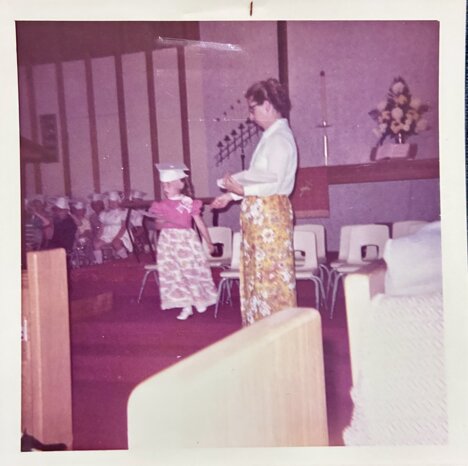
I was also drawn toward people who were vulnerable or misunderstood. One of my earliest teachers, Mrs. Robinson, showed me another way of being in the world — one grounded in kindness, inclusion and respect for people who were different from me. Looking back, I can see the beginnings of my life’s work in those early experiences.
Finding Another Way
My childhood and adolescence included significant trauma, including sexual abuse.
Music became one of the places where I began to find myself. I studied cello, played in youth orchestras and discovered an identity beyond what was happening in my family.
Eventually, education became another possibility. When I realized university could offer me a different future, I worked toward scholarships and left home to study music therapy and education.
Away from my family environment, I discovered something important: I could learn. I was capable. And I could begin discovering who I was outside of survival.
During my training, I completed a six-month internship at the Children’s Center for Neurodevelopmental Studies in Arizona, where I became immersed in sensory integration, autism and regulation. The learning was helping me professionally, but it was also helping me understand myself. I had always experienced sensory sensitivities and overwhelm, although I had not yet connected them to trauma.
That pattern has continued throughout my career: professional learning has helped me understand my own experiences, while lived experience has made me more curious professionally. My work today grows from the intersection of lived experience, professional learning, and more than three decades of working alongside other people. And those people have been some of my greatest teachers.
"Resilience isn't pretending something didn't hurt. Sometimes it is discovering what remains within our control."— Kathleen Rooney
Adulthood brought another period of significant adversity.
After leaving a long marriage, I found myself rebuilding much of my life. I returned to my cello and worked my way through the Bach Suites. I ran. I practised yoga. I worked on restoring my cognitive health and returned to school to become an accredited teacher in Canada.
I wasn't trying to create a professional model. I was figuring out what helped me regulate, function and find myself again.
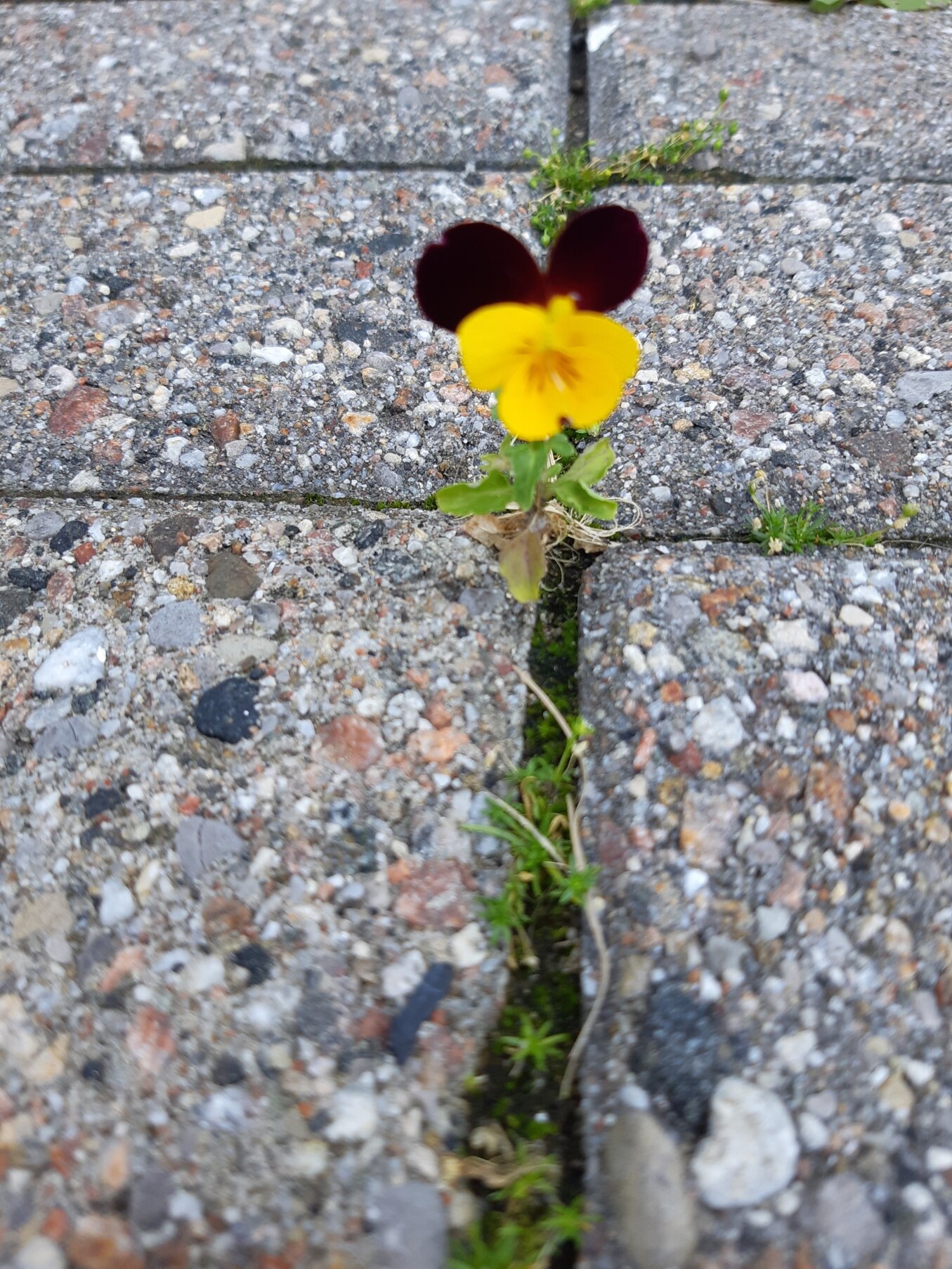
During an extraordinarily difficult period of separation from my children, I became even more intentional about my wellness. I couldn't control everything happening around me, but I could work on becoming healthier myself.
I held onto the hope that my children would eventually return and that, if they did, I wanted to be ready to help them. Eventually, they did.
That experience changed my understanding of resilience. It isn't endless positivity or simply enduring more. Sometimes it is discovering what remains within our control and slowly building the resources to move forward.
Rebuilding
Looking Beneath Behaviour
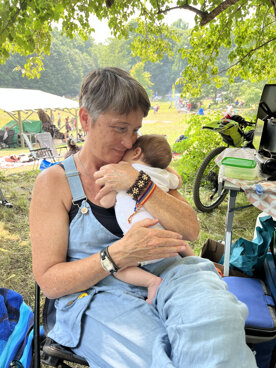
I spent approximately six years supply teaching, and what I saw in schools troubled me.
Again and again, I encountered children who were misunderstood, labelled, excluded or punished when something much more complicated was happening beneath their behaviour.
I kept thinking: We are missing something.
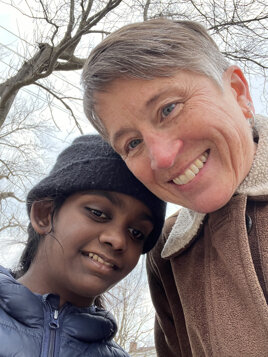
Instead of asking only, How do we stop this behaviour?, I wanted us to ask: What is happening underneath it? What is this person communicating? What do they need?
Eventually, I realized I could do more meaningful work outside the traditional school system.
I focused increasingly on my work with autistic children, adults and families and on principles that had become central to everything I did: Acceptance. Identity. Safety. Voice. Choice. Control. Connection. Competence.
I challenged myself to make those principles meaningful for everyone, including nonspeaking autistic people and those with significant support needs. Because voice doesn’t have to mean speech. Choice doesn’t require conventional communication. Identity doesn’t belong only to people who can explain theirs. And acceptance shouldn’t depend upon someone's ability to behave in ways that make other people comfortable.
These ideas became the foundation of AuYou! Come as you are. Discover who you are. Grow into who you choose to become.
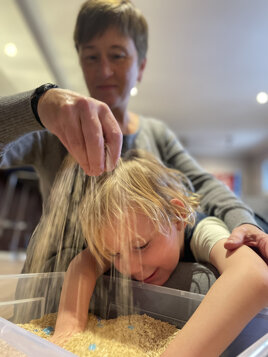
Learning Never Stopped


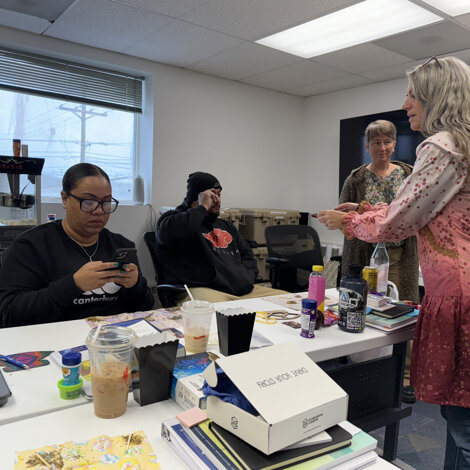
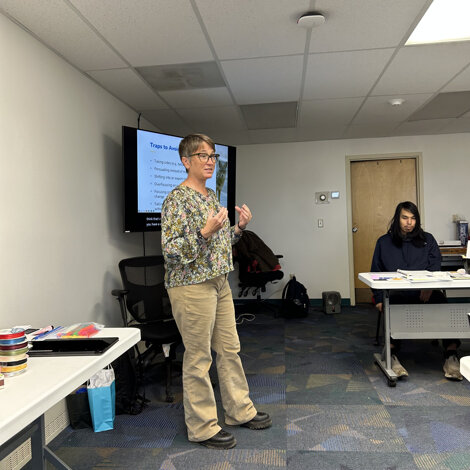
In 2019, I began facilitating for the Crisis & Trauma Resource Institute. Teaching autism, trauma and resilience, wellness and other areas of human development pushed me to continue learning deeply myself.
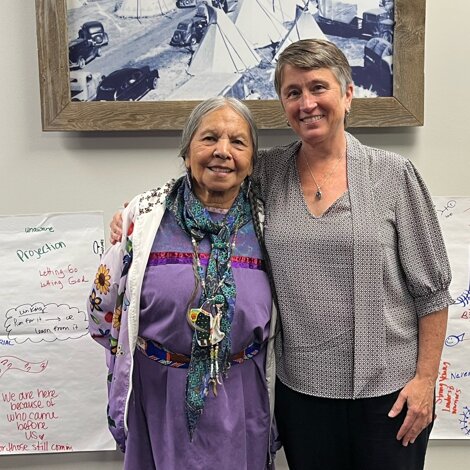
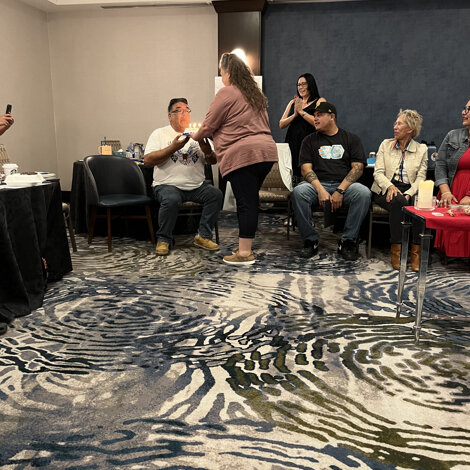
My work also increasingly brought me into Indigenous communities across Canada and the United States. Being invited into communities and trusted to facilitate learning has been both a privilege and a responsibility.
As I learned more about the historical and ongoing effects of colonial violence and residential schools, I found I could not simply absorb that knowledge intellectually and then turn away.
Learning asks something of us. Sometimes it changes what we think. Sometimes it changes what we say. And sometimes it requires us to act.
Learning asks something of us. Sometimes it changes what we think. Sometimes it changes what we say. And sometimes it requires us to act.
Think. Say. Act.
Begin with compassion.
Today, I work as an educator, facilitator, autism and trauma specialist, consultant, speaker, musician and author.
The subjects may differ, but underneath them I keep returning to the same questions: What changes when we understand a person before judging them? What becomes possible when people feel safe, accepted and competent? What happens when people have meaningful voice and choice? And what changes when we extend compassion not only to others, but to ourselves?
My own life taught me that understanding changes the story. The frightened child, the struggling student, the overwhelmed adult or the person whose behaviour we don’t understand may have much more happening underneath than we can see.
That is why I invite people to begin with their thoughts. How we think shapes what we say. What we say influences what we do.
I cannot change what happened in my life. But I have had choices about what I did with what happened.
Over time, I learned to understand myself, recognize my strengths, decide what mattered to me and intentionally create a life I wanted to live.
That possibility sits at the heart of my work. What has happened to us matters. But it does not have to define what is possible for us.