Kathleen Rooney
Kathleen Rooney
Facilitation Speaking and Author
Facilitation Speaking and Author
I live and work in Tiohtià:ke/Montréal, on the unceded lands and waters of the Kanien’kehá:ka (Mohawk) Nation.
Learning asks something of us.
Author & Creative Work
People often inquire, “Does it have a name?”
This has been challenging because her purpose has never been the same.
In the past, I have answered this question with, “NO.”
She has given me so much—so here we go:
SHE IS. . .
My access to a diverse and fulfilling lifestyle
My introduction to possibilities
My ticket out of “Dodge”
My scholarship to higher education
My access to create beauty and connection
My lifesaver
My cognitive and physical challenger
My appendage
My escape
My meditation vehicle
My mindfulness tool
My emotional release
My counsellor
My warmth
My joy
My beauty
My baby
My refuge
My love
The voice of my soul
The ultimate best friend
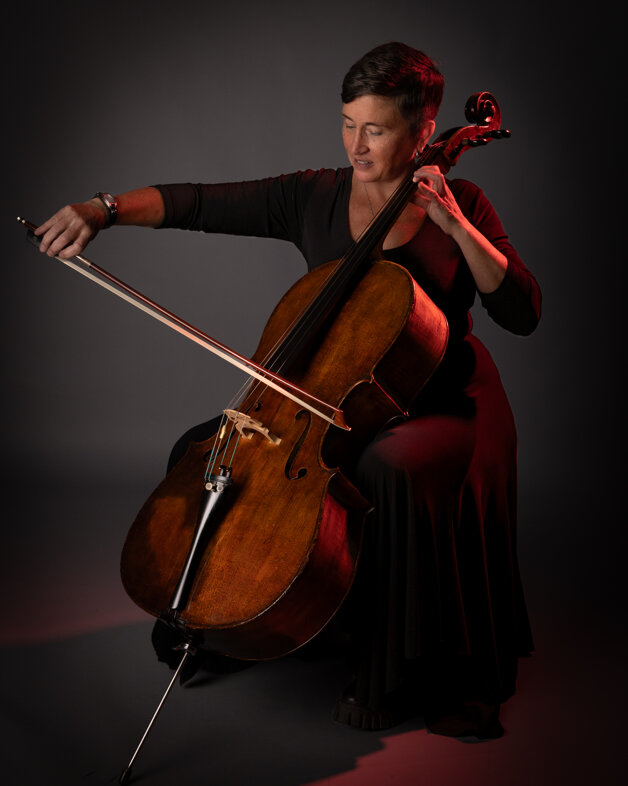
She has been with me for at least four colourful decades.
It has been perplexing to name something with such an abundance of accolades.
It seems a crime to give one name to something so highly spiritual.
She has brought me through a spectrum of beauty and challenge, for which I am grateful.
The name Grace is a contender, defined by “simple refinement and elegance.”
“Courteous goodwill,” and “to do honor or credit by one’s presence.”
I have deep love and sincere appreciation for this inanimate object.
She exists beyond naming because she is part of me and my ethereal sect.
Copyright © 2015 - 2026 Kathleen Rooney
Sometimes words alone aren't enough. Sometimes art helps us find another way in.
A Plea to Our Mother
Beautiful, complex and at times difficult, the collection speaks both to people who have experienced sexual violence and trauma and to those seeking to better understand the lasting effects of childhood sexual abuse, family silence and cycles of trauma.
Kathleen originally began writing these poems to break her own silence and in the hope of finding validation within her family. When that validation did not come, another question emerged:
Now what?
Now what ?
The final poems turn toward resilience - not by minimizing what happened, but by exploring what can come next when we begin to understand our experiences, reclaim our voice and decide how we want to move forward.
A Plea to Our Mother opens a conversation that is difficult, but necessary: about sexual violence, silence, its long-lasting side effects, survival, resilience and the possibility of creating a life beyond what has happened to us.
Where to find Kathleen’s work ?
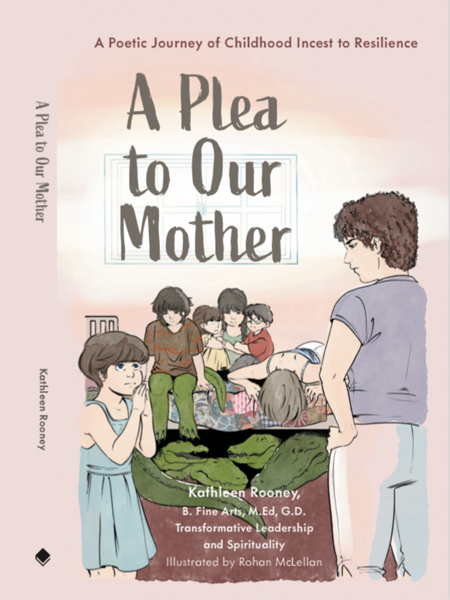
The Book
In Canada
In United States
From Page to Performance
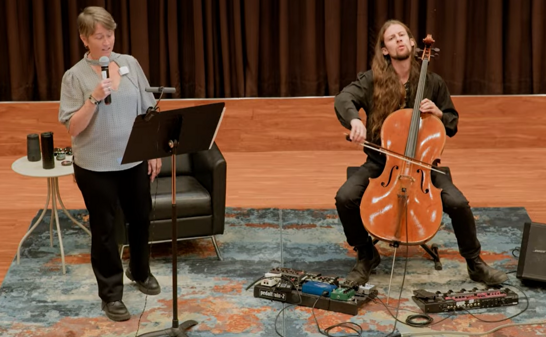
A Plea to Our Mother has continued to evolve beyond the written page through poetry, music, education and performance.
In collaboration with cellist Raphael Weinroth-Browne, Kathleen brought selections from the book into a performance art piece combining spoken poetry and live cello. The performance creates space for an honest conversation about childhood sexual abuse and some of its long-lasting side effects - including experiences and responses that are often misunderstood or stigmatized, impacts on physical and emotional health, and the ways trauma can continue to affect a life long after the abuse itself has ended.
While the work does not turn away from the difficult realities of trauma, it also follows one person's journey toward resilience and asks what may be possible after:
Kathleen in collaboration with cellist Raphael Weinroth-Browne
Now what?
Book release performance
Other Creative Work
Podcast
Blog
Autism Through a Trauma-Informed Lens
Autism: The Impact of Community on Identity
Episode 39 · CTRI Podcast
CTRI Blog
Guest from Hell
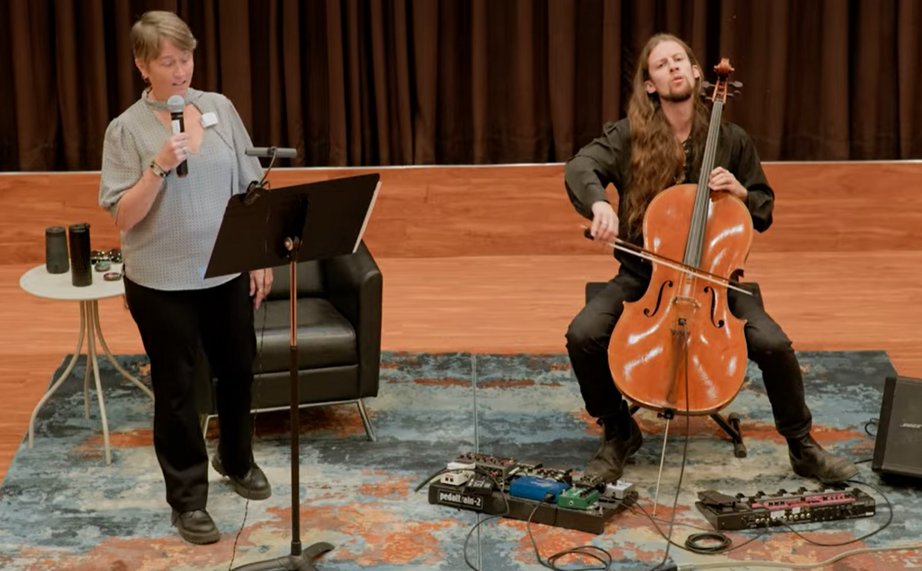
Guests from Hell grew from my learning about the history and ongoing effects of colonization and residential schools in Canada, and from my desire to contribute, in my own small way, to reconciliation.
The piece also took me somewhere unfamiliar creatively. I was classically trained as a cellist. I learned to read the music, follow the score and play what was written. Guests from Hell asked me to step outside of that structure - to speak, tell a story and use the cello as part of the emotional language of the work.
I initially imagined the piece as slam poetry, but as it developed, that approach no longer felt right. The subject was already powerful enough. I wanted to tell the story without forcing the listener toward a particular response, leaving space for each person to listen, reflect and take from it what they needed.
The cello was chosen deliberately. It is an instrument rooted in the European classical tradition, but its voice can sound remarkably human. I wanted to use something familiar to me - and perhaps familiar to other non-Indigenous people like me - to invite attention to something many of us came far too late to understanding.
Language became part of the composition. I played with endings such as "-ization" and "-tion" - language connected with acts, processes and their results - as a way of tracing colonization and the actions and systems that followed from it.
The cello was chosen deliberately. It is an instrument rooted in the European classical tradition, but its voice can sound remarkably human. I wanted to use something familiar to me - and perhaps familiar to other non-Indigenous people like me - to invite attention to something many of us came far too late to understanding.
The title, Guests from Hell, is intentionally provocative. Europeans arrived as guests and ultimately imposed systems that caused profound harm to the people who were already here. The word hell also speaks to the brutality experienced by Indigenous peoples and to th
I wear orange in the performance in remembrance of the children who were taken to residential schools - those who returned home and those who did not - and in recognition of the families and communities who continue to live with their effects.
This piece is not an attempt to tell an Indigenous story on behalf of Indigenous people.

It is my response to what I learned.
It is directed, in particular, toward people who look like me and who may also have arrived late to this understanding.
And it is an expression of sorrow, responsibility and a desire to keep learning.